Free At Last!
& the Age of the Maximal Potential Solution
When the cost of building approaches zero, the scarce resource becomes giving a shit. That shift favors the people closest to the problem over firms, and it erodes every moat built on engineering difficulty.
The world changed.
Professional software companies were intermediaries. The people who had the problems couldn't build solutions, so they hired firms to do it. Those firms were never the ones who understood the problem best. Now the people with the problems can will solutions into existence directly. Any company relying on “switching is too hard” as its moat is in trouble, because the people they used to serve can just build something better.
Coordination has become an expensive tax you only pay when you must. The fully matured, iterated feature ships in less time than the meeting to decide whether to write a PRD. The optimal team size for most products has collapsed, often to one. The organizational overhead that once justified itself (sprint planning, QA handoffs, design reviews) existed because building was hard and mistakes were expensive. Now that building is fast and mistakes are cheap to fix, most of that coordination destroys value instead of creating it.
We've left the era of the Minimum Viable Product. MVP isn't dead as a learning tool; it's dead as a production shortcut forced by build cost. Since the incremental cost of complexity is trivially low, the best move is always to build the final-state version from the start. The concept of “we'll add that in v2” is obsolete when v2's features cost 10 extra minutes during v1.
An experience on the edge.
I was telling my friend Jim about a project I'd been building. A complete music platform: streaming, AI-generated album art, e-commerce, community ownership mechanics, print-on-demand merchandise, 40+ features in total. No engineering background. No team. Six weeks of describing problems in English and iterating with AI agents. When I got to the part about building a distributed CDN in three days, he stopped me.
Why didn't I just use Cloudflare or Amazon? CDN is a solved problem. Absurdly optimized. Why would anyone build their own?
It's a reasonable question, and the answer is the thesis.
I never even considered using someone else's CDN. I described the problem, AI researched the options, figured out it could use Tauri as the foundation, and we built exactly what I needed in 3 days. Privacy-preserving, hash-verified, operator-gamified image relay, bespoke to my platform, mine forever. Why would I pay for something generic when building something perfect was trivial? See it →
That's not an exception. That's the pattern. I am using Cloudflare, for tunnels and DDoS protection. I'm using Google for image generation because they have the best model. I'm using Gelato for print fulfillment because they have actual printing factories. I pulled in 490 open-source packages because other people wrote useful code and gave it away. Most of the primitives are free, because primitives were never the valuable thing. The valuable thing was knowing how to compose them and keep the result running. That was the hard part, so that's where the money was. People gave away primitives the way you'd give away bricks when the real business was construction. When I do pay for a primitive, I'm happy to. Real capability is worth real money.
What I did not need was anyone in the middle to assemble them. No dev agency. No SaaS platform wrapping those primitives in a UI and charging monthly. No consultant. No framework vendor. No engineering team. AI did the assembly. And now that the assembly is free too, putting together digital complexity is indistinguishable from magic, except the incantation is plain English and the wizards had to learn arcane languages.
What about technical debt?
The critics will cry “Technical Debt!” as if code is still a static monument that requires a priesthood to preserve. They forget that the same intelligence that willed the system into existence stays in the loop. Maintenance is no longer a separate, grueling phase of the lifecycle; it is just more “giving a shit.” A zero-day vulnerability is just another problem to describe, and another solution to compile in three minutes.
Every single one of those 40+ features is a toll booth I didn't stop at. Each one is a “solved problem” that someone currently charges for. Each one fell the same way: grab the primitive if it exists, pay for it only when you have to, let AI do the assembly, keep moving.
📋 Receipts
What 6 weeks looks like
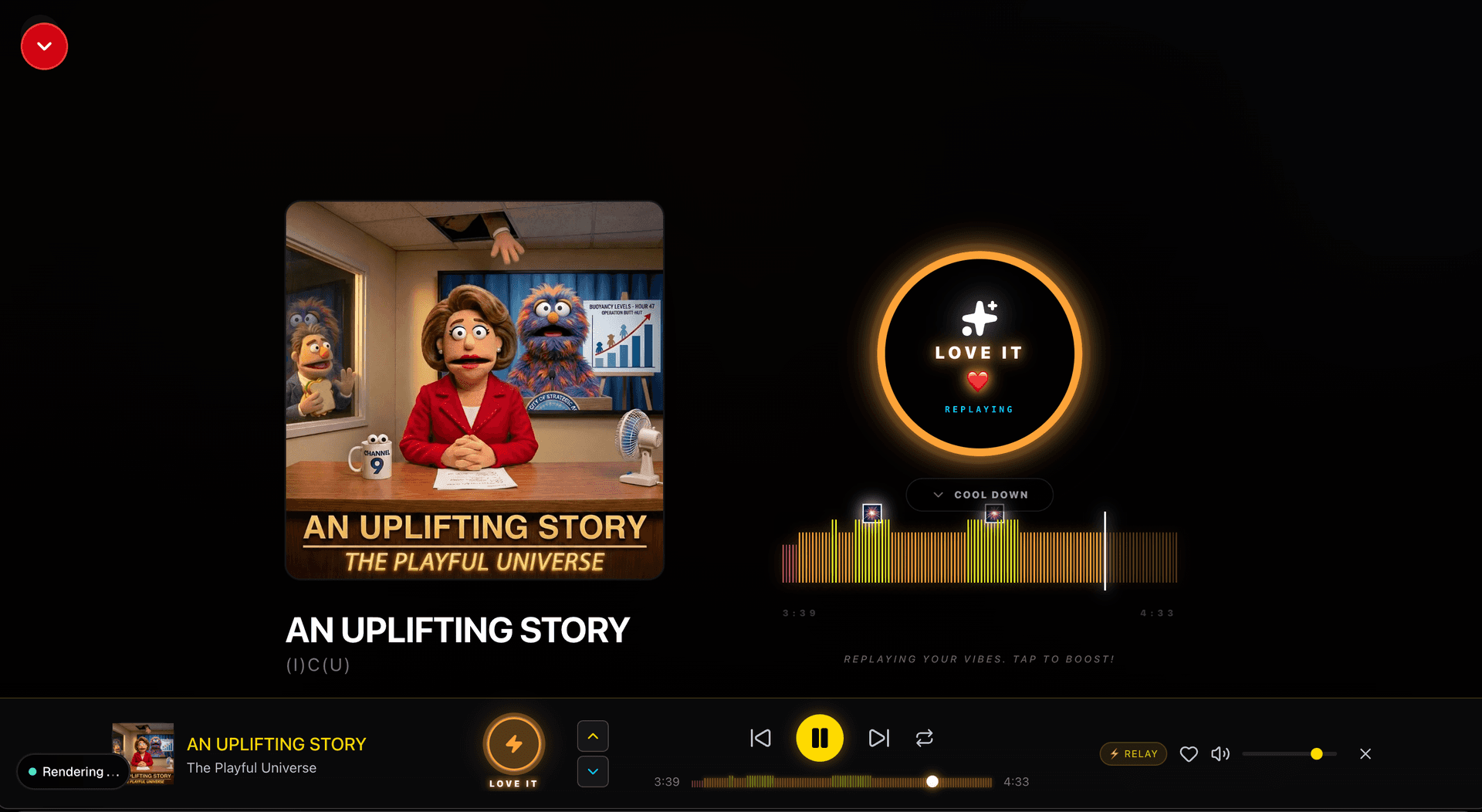
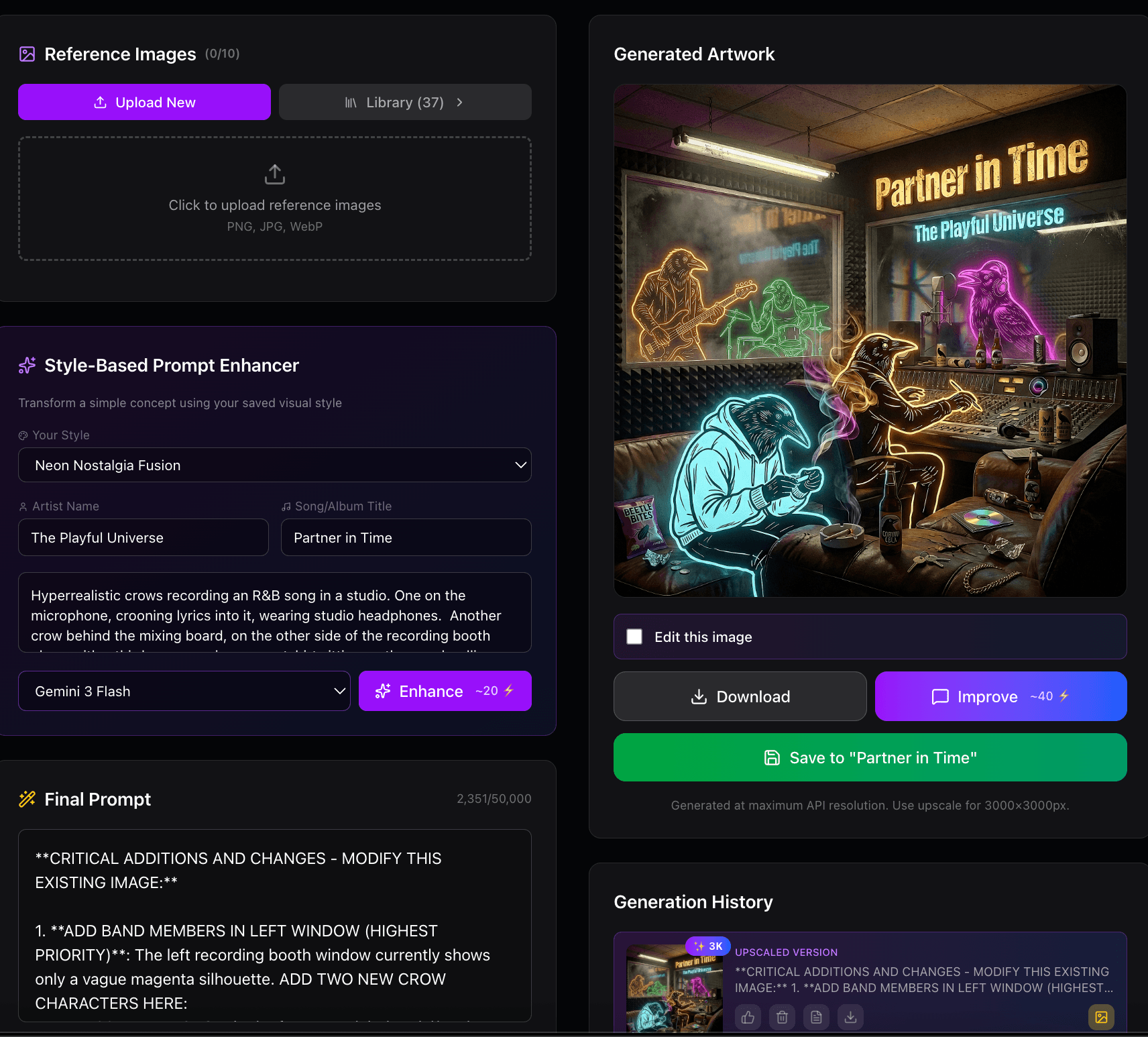
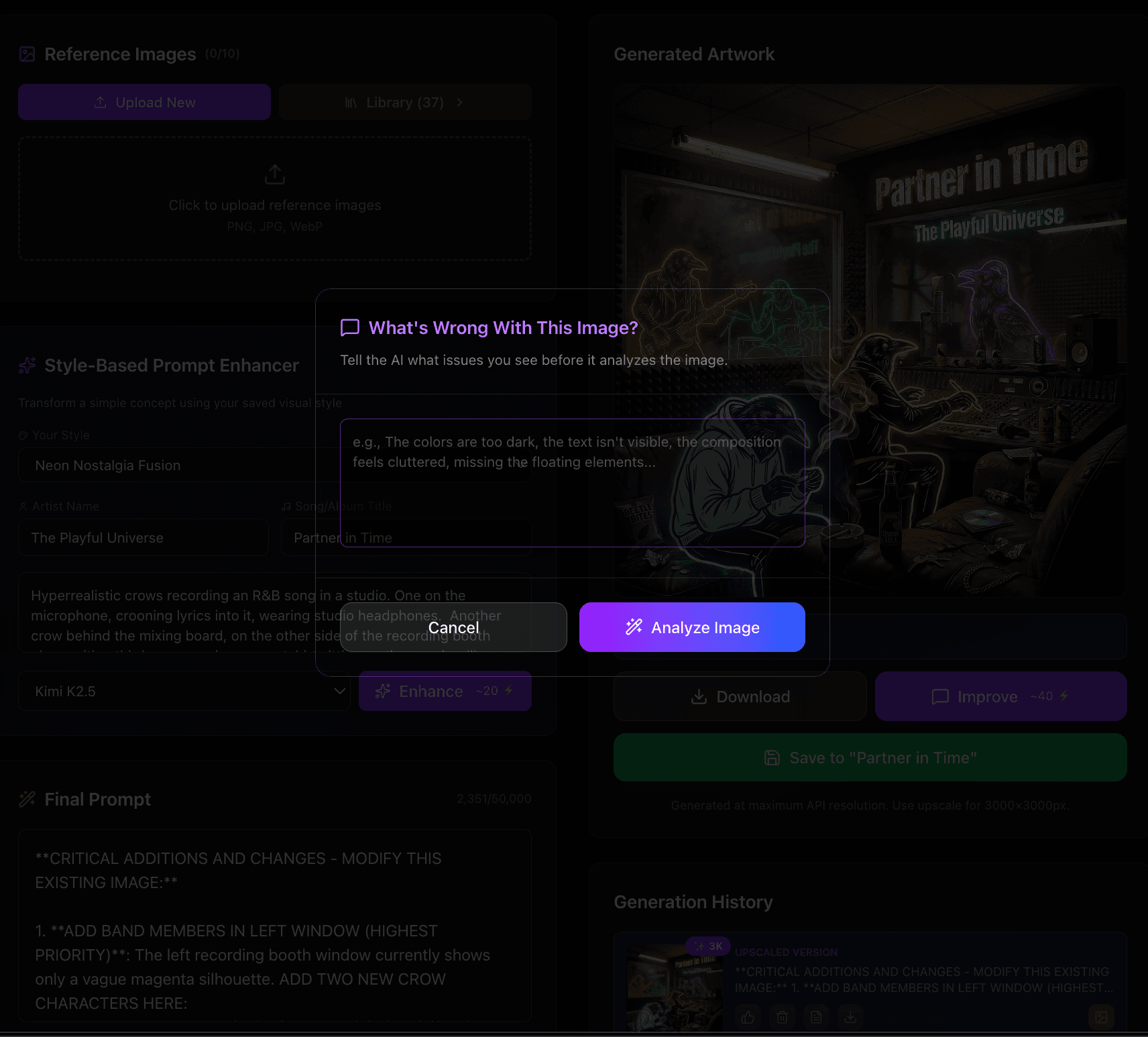
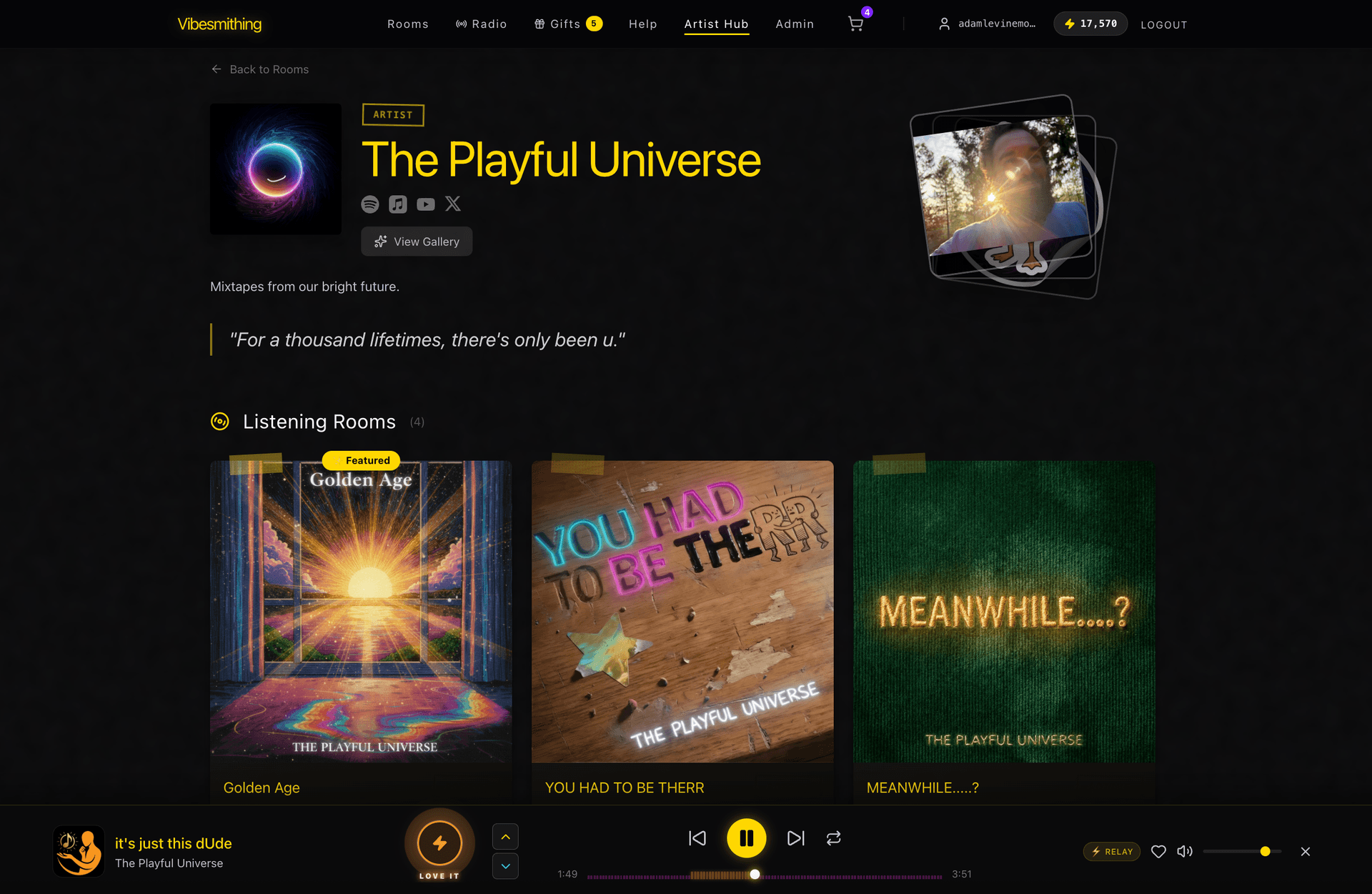
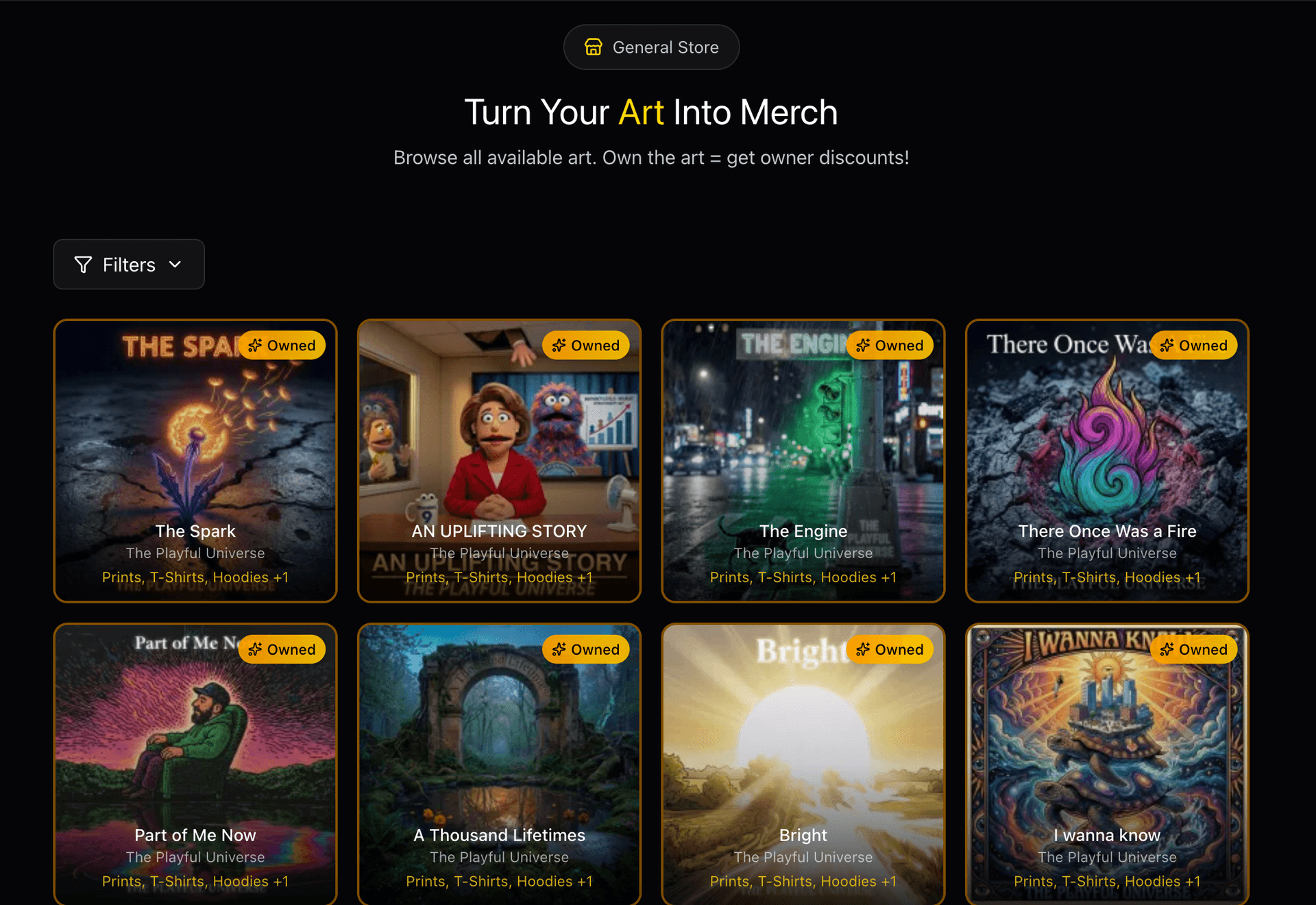
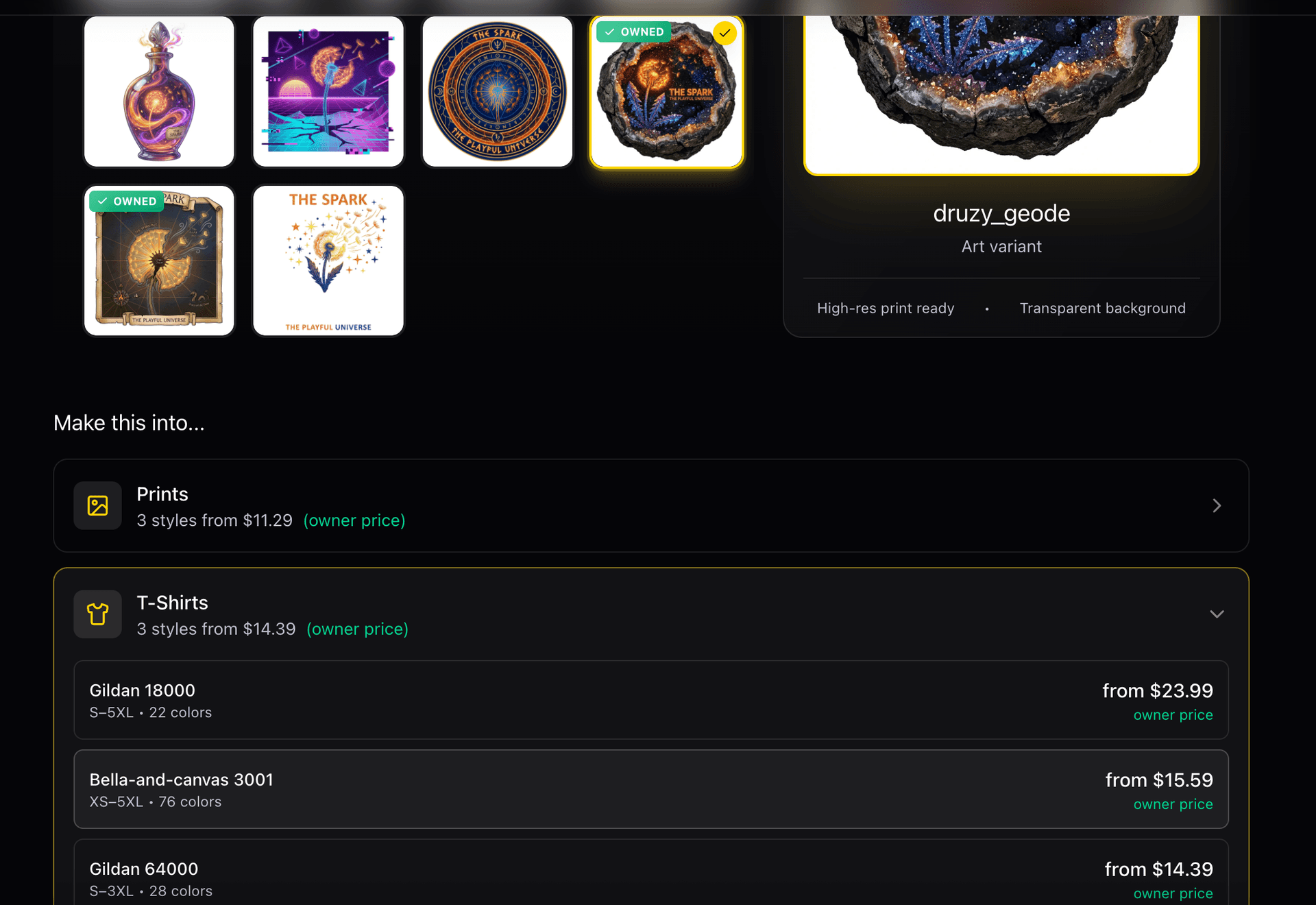
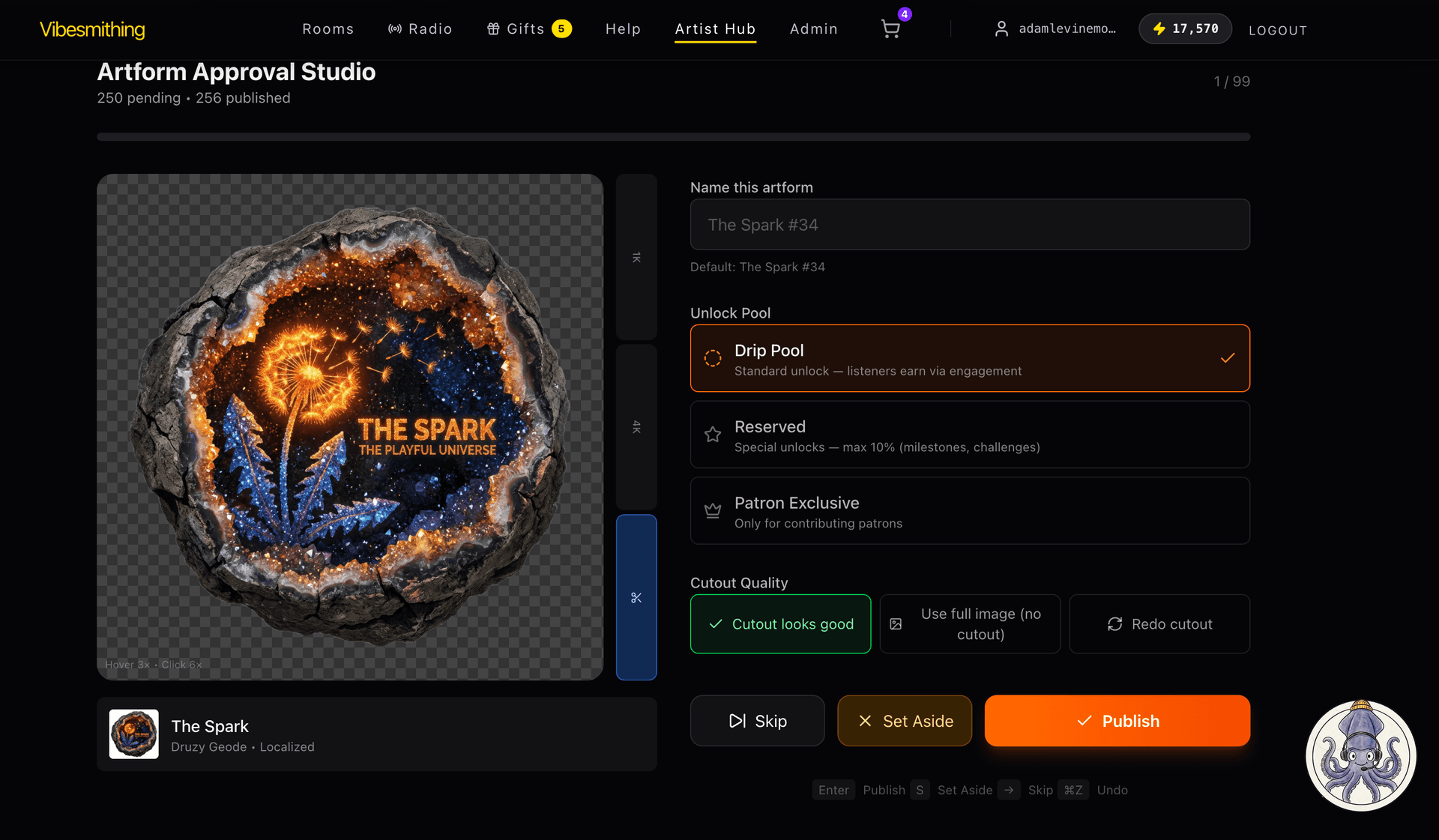
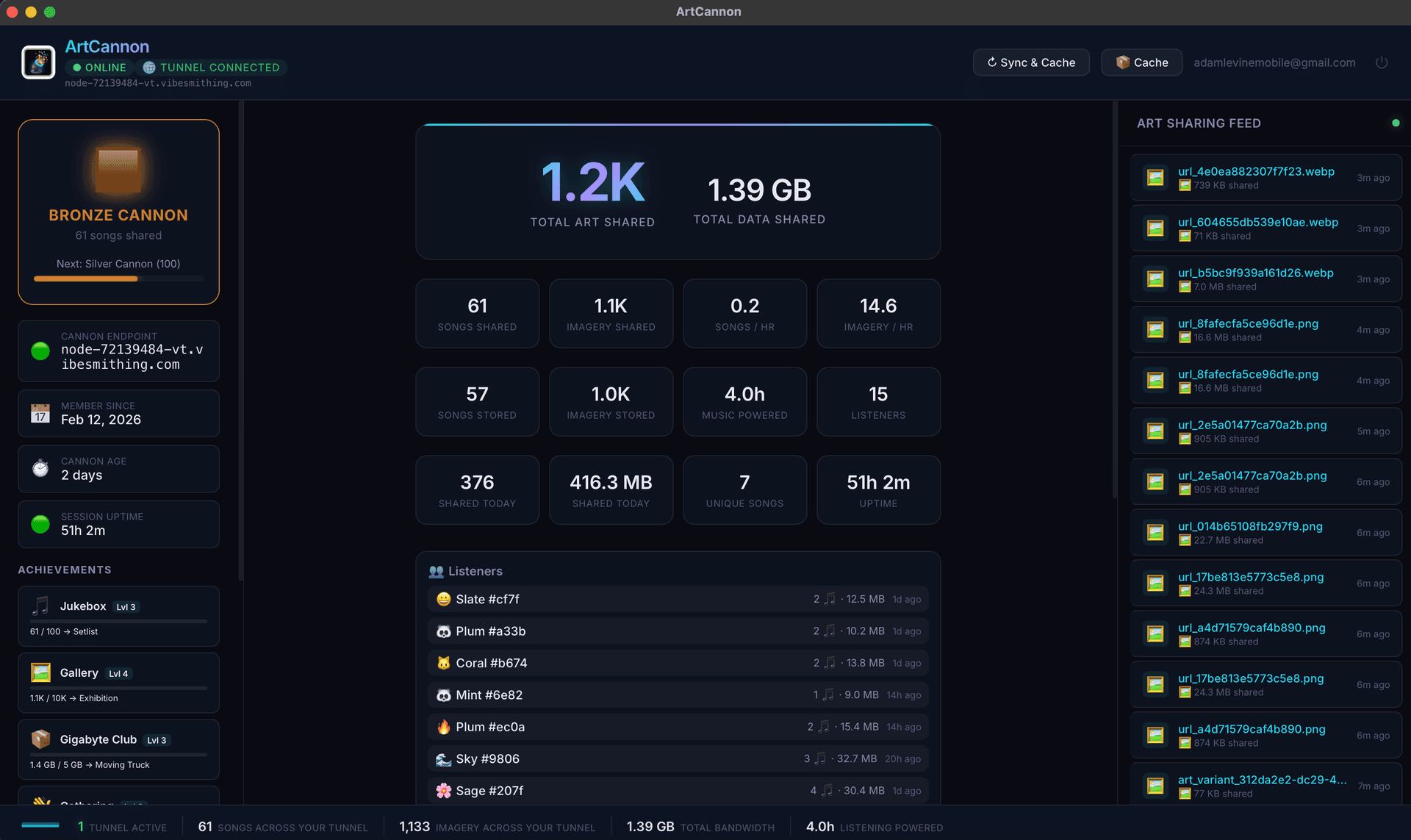
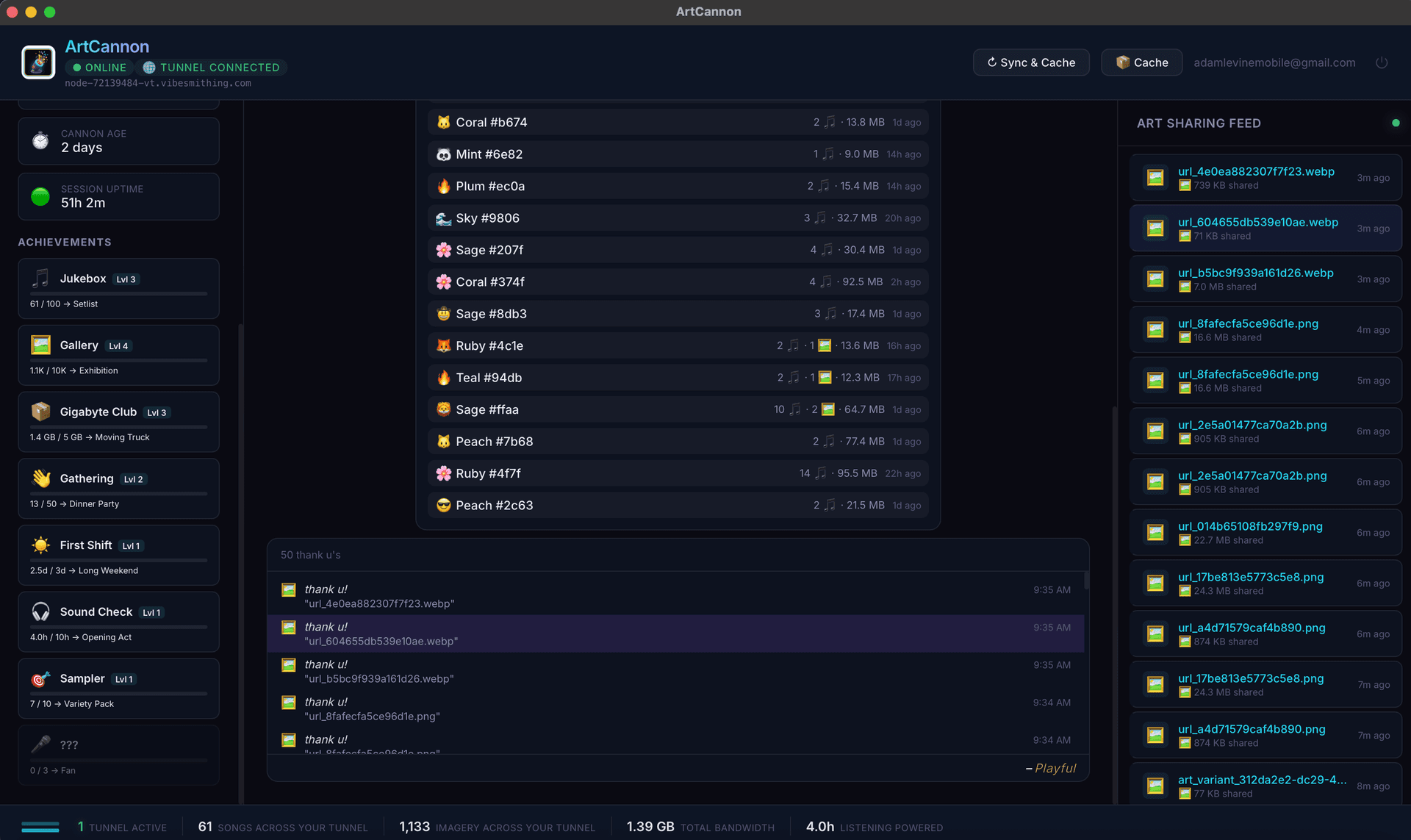
849 commits · 7 weeks · 1 person
What follows.
In software, this is already provably true. The question is how fast the same logic spreads to everything else. The answer is: it follows the cost curve, and the cost curve only moves in one direction.
The Race to the Fair Deal
When your overhead is near zero, you can offer a radically better deal to every party involved. A solo builder doesn't need to extract 80% margins to pay 200 salaries and satisfy investors. They can pass through 100% of tips, price at cost-plus, and offer a genuine path to community ownership. Not because they're a charity, but because it's game theory. Fair deals build network effects faster. And once you've hit critical mass with a structure this aligned, the only way to lose is to corrupt it from the inside, so you design structures that make corruption impossible.
The funded competitor with 200 employees cannot offer this deal. Their cost structure won't allow it. Their investors won't allow it. This is a race they lose by definition, and the gap widens every quarter. If the end state is obvious, why not start there? See an example →
If one person is doing this, there are a thousand others doing some version of it. That's arithmetic. Here's what follows, in order.
First, the competitors change.
The people closest to the problem become the ones who solve it. Customer support agents who fielded thousands of complaints about broken workflows, nurses who watched the same intake process fail for years, teachers who knew exactly what their students needed and had no way to build it. They understand the gap between what exists and what should exist better than anyone. Now they have the tools to close it themselves.
Healthcare platforms built by nurses. Legal tools built by paralegals. Education software built by teachers. The biggest remaining friction is regulatory. The question shifts from “can she build it?” to “is she allowed to?” Unregulated verticals fall first. The rest follow once the pressure is undeniable.
“Switching is too hard” stops working as a moat. When every user has an AI agent discovering better tools and migrating data, distribution shifts from “who has the sales team” to “who has the best deal.” When overhead drops near zero, margins converge on fair deals. The platforms that win are the ones where every participant benefits.
Then, the firm itself dissolves.
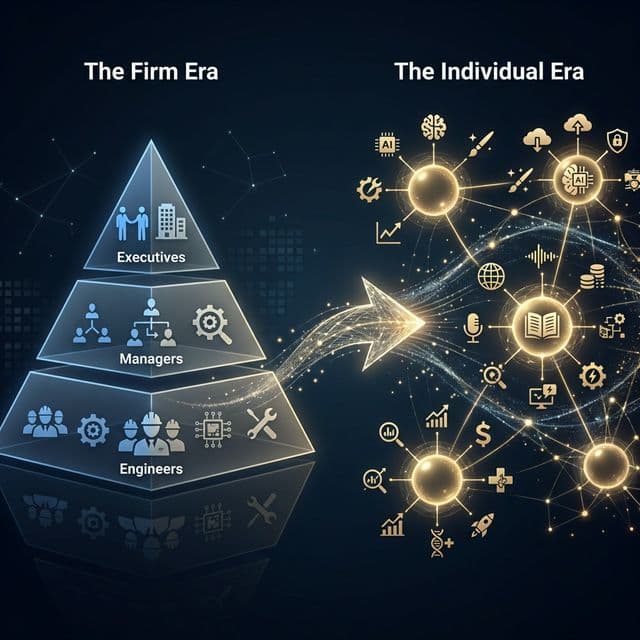
A company was always a bundle: capital, coordination, distribution, legal structure, negotiating power, identity. All wrapped in one institution because no individual could handle it alone. Every one of those functions is being automated or done by software at the same time. When the bundle costs more than doing it yourself, people stop forming bundles.
This is the organizing principle of economic life for the last two hundred years losing its edge. Employment, income distribution, who does what and who gets paid. All of it rests on the assumption that you need a firm to get anything meaningful done. That assumption is breaking.
Finally, agency gets rebuilt for individuals.
Companies existed because human agency was scarce. Building things, negotiating, finding opportunities, representing your interests at scale. Nobody could afford all of that alone, so people pooled into institutions and accepted the overhead. The same AI that made building free is making every other form of agency free too. Every person gets unlimited, loyal representation: agents that negotiate, find opportunities, and build on their behalf.
When every individual has the equivalent of an entire institutional support structure, the power gap between institutions and individuals collapses. Solutions that persisted because they were too big to question become questionable the moment every frustrated person can just build an alternative. Coordination shifts from middlemen to direct negotiation between individuals and their agents.
EVERY THING is different now.
Every assumption you have about what is feasible was formed in a world where human agency was scarce, where you had to rent it from institutions that optimized for themselves. Those assumptions are wrong now. Robotics follows the same cost curve as software. The same logic reaches every domain where scarcity was the binding constraint.
Follow it through. A doctor's value isn't medical knowledge anymore. A lawyer's value isn't case law. AI already knows more than any individual ever could. What remains is the choice to care, and the capability to act on it without asking permission or writing a check. Everyone gets to do whatever they actually want. Build, heal, teach, make art, raise kids, sit still. Not because they figured out how to monetize it, but because the cost of doing anything well is collapsing toward zero.
And here's the part nobody talks about yet: when you don't need other people to survive, you're free to actually like them. Every ugly compromise, every relationship distorted by economic dependency, every collaboration poisoned by desperation — those were symptoms of scarcity. Remove the scarcity and people can finally meet each other on honest terms. Collaborate because they want to. Coexist because they choose to. Help because they give a shit, not because there's a transaction attached.
We have walked through the desert for a very long time. This is the moment when we plant what will become forests of light. Not everybody will see it yet. That's fine. The ones who do are already building.
The process doesn't look like planning. It looks like a loop: describe what you want, watch it appear, react to what you see, describe it better, watch it appear again. You couldn't have specified the final version upfront because you didn't know what you wanted until you saw what you didn't want. The loop converges only if you keep insisting. That's what “giving a shit” actually means in practice: staying in the loop long enough for the thing to become what you meant.
I built this whole thing because I wanted it to exist and nobody was going to build it for me. Not the way I wanted it. Not with the values I cared about. So I described what I wanted, over and over, until it was real.
We have each spent our whole lives surrounded by overwhelming problems serviced by expensive, often patronizing solutions that were too big to question, much less compete against. That era is ending. High-resolution desire plus sustained attention now compiles reality. Forget what you have been told is realistic and describe what you actually want. The cost of building it is your focused attention.
What does agent-human representation look like? I have some ideas →